Princess Flower Wreath
A Delicate Crown for Everyday Magic
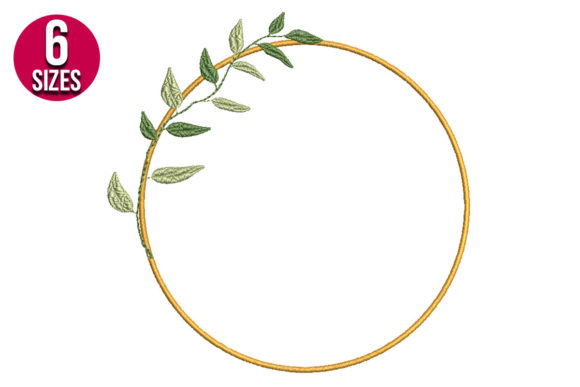
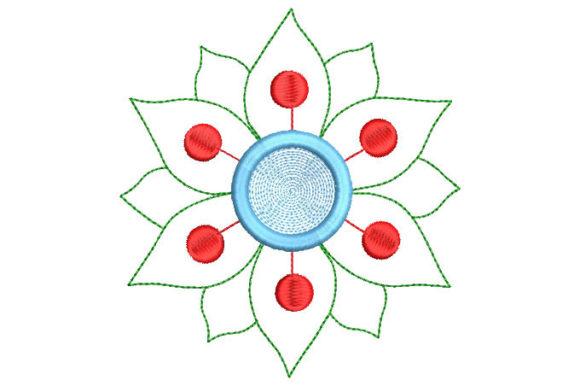
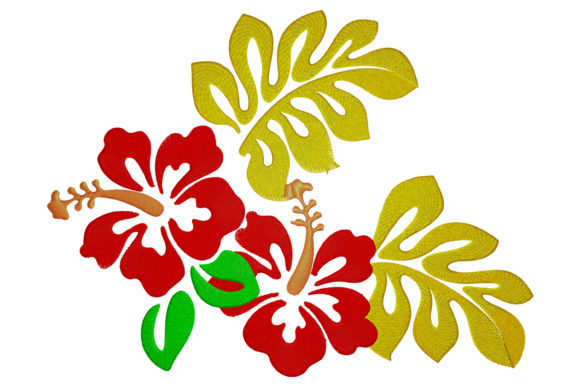
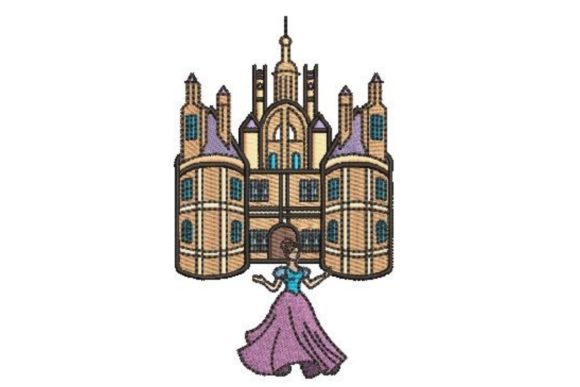
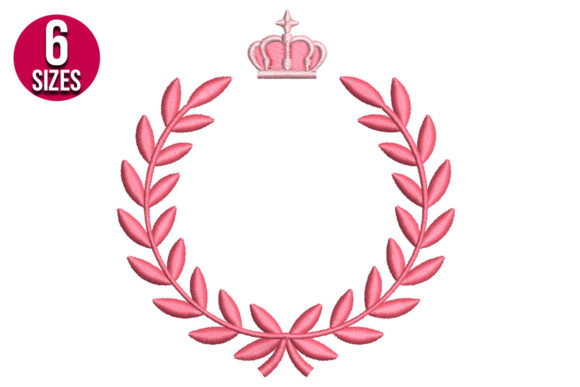
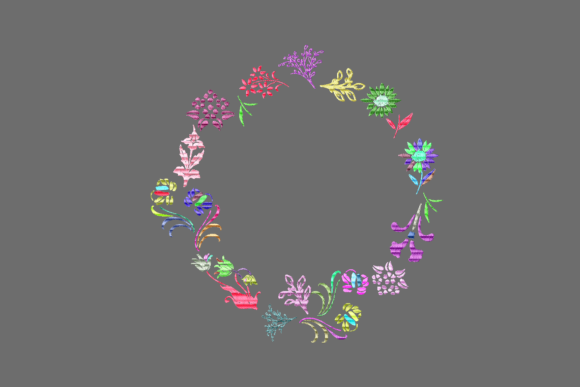
First impression? Princess Flower Wreath doesn’t shout — it leans in with quiet charm. It’s a soft, rounded floral wreath: no sharp angles, no aggressive symmetry, just gentle curves and layered petals that suggest movement, like flowers caught mid-breeze. The design feels inherently kind — not overly fussy or baroque, but thoughtful in its spacing and rhythm. It lands somewhere between garden whimsy and nursery elegance, making it instantly adaptable for baby onesies, boutique tea towels, or even minimalist sweatshirt fronts. I recently tested it on a linen-cotton blend tote bag for a local florist’s pop-up shop — and watched three customers pause, smile, and ask, “Where did you get that stitched?” That’s the quiet power of this machine embroidery design: it reads as handmade, intentional, and emotionally resonant before anyone even notices the stitches.
Where It Shines (and Where It Asks for Care)
Princess Flower Wreath thrives where softness matters. On a lightweight cotton baby blanket? Perfect — the satin stitch petals hold shape without stiffness, and the overall fill stitch density feels breathable, not bulky. On a structured apron for a baker’s small shop? It adds warmth without competing with functional pockets or ties. As an embroidered patch sewn onto denim jackets or canvas backpacks? Yes — the circular layout anchors well, and the balanced negative space keeps it legible at 3–4 inches wide.
But let’s be real: it’s not a one-size-fits-all workhorse. On highly textured fabrics — think bouclé knit or thick terry cloth — some of the finer petal edges can blur or sink slightly unless you use cutaway stabilizer and reduce top tension. On stretchy jersey for custom apparel? Test first. A light tear-away plus basting stitch helps control distortion, especially near the wreath’s outer curve. And on dark fabric? Don’t assume your default pastel thread palette will read clearly — try a single contrasting outline (like soft charcoal gray) to define the shape before filling. I learned that the hard way when stitching it on navy chambray — the pale pink fill nearly vanished until I added that subtle running stitch frame.
Real-World Fit: From Etsy Listings to Holiday Gifts
If you’re an Etsy seller or small shop owner, Princess Flower Wreath is a quietly versatile asset. It works beautifully as a digital embroidery file for personalized gifts: monogrammed inside the wreath’s center for baby onesies, or paired with a short name along the lower arc for toddler pillow covers. For holiday embroidery, it layers elegantly with subtle gold thread accents — no need for glitter or bells. It also scales well for printable mockups: clean lines mean crisp previews on white and off-white backgrounds, helping buyers visualize it on their own products without visual noise.
For commercial embroidery projects — say, branding a line of organic cotton kitchen towels — this design supports consistency without feeling generic. Its gentle asymmetry (notice how one cluster of blooms dips slightly lower?) gives it character, helping your craft business stand out from mass-produced floral wreaths. And because it avoids tiny lettering or micro-details, it holds up across hoop sizes — though I’d recommend verifying the actual hoop size before stitching on curved surfaces like caps. That slight curve can compress delicate outer elements if the design wasn’t digitized with cap-ready contours.
What It Says About Your Finished Product
Princess Flower Wreath elevates perceived value without demanding premium pricing. Stitched cleanly on a well-chosen fabric, it signals care — not just in execution, but in curation. Customers don’t just see a flower; they sense intentionality. That translates directly to trust: a parent buying a baby embroidery piece feels reassured by its gentle aesthetic; a bride ordering wedding guest towels senses thoughtfulness, not trend-chasing.
It also strengthens brand consistency for creative entrepreneurs who lean into soft, nature-inspired palettes. Used across tote bags, aprons, and pillow covers, it becomes a recognizable motif — like a signature, not a stock element. And unlike busier floral wreaths, it leaves room for other design elements: a small initial, a coordinating leaf motif, or even a simple tagline beneath. That flexibility makes it a strong candidate for design assets you’ll return to season after season.
Designer Notes You Can’t Skip
- Always test first — run Princess Flower Wreath on scrap fabric matching your final project’s weight, texture, and stretch.
- Check thread color contrast on both light and dark backgrounds — what reads beautifully on ivory may disappear on charcoal.
- Review stitch density before scaling up or down; dense fills can pucker thin fabric, while sparse areas may look unfinished on heavy weaves.
- Confirm hoop size and stabilizer type — this isn’t a design that forgives weak stabilization on knits or silks.
- Inspect small details under magnification if stitching for baby items or high-end boutique goods — petal tips and stem joins should be crisp, not frayed or merged.
- Test black-and-white mockups to ensure silhouette strength — if it reads well in grayscale, it’ll translate across thread palettes.
- Verify licensing before selling finished items or bundling Princess Flower Wreath as part of a digital embroidery collection — commercial use rights aren’t automatic.
Final Thought: Not Just Pretty — Purposefully Designed
Princess Flower Wreath isn’t about flash. It’s about resonance. In a market flooded with oversized, hyper-detailed floral wreaths, it stands out by breathing — by leaving space, honoring flow, and trusting subtlety. Whether you’re stitching a one-of-a-kind personalized gift or building repeatable product lines for your craft business, this embroidery file earns its place not because it’s trendy, but because it works: thoughtfully, quietly, and consistently well. Use it with attention, and it won’t just decorate your project — it’ll deepen its meaning.